Day Zero
Day Zero is a well-being toolkit designed to encourage a healthier lifestyle and develop positive habits. Its main objective is to address and prevent heart disease.
The items included are low-tech instruments since Day Zero is an analogue tool kit for experiencing a brief moment away from the daily humdrum of the digital world.
Area of Focus
The brief was to create a 45 to 90-second motion graphics sequence in a team of four, that addresses biodiversity preservation and proposes scalable solutions.
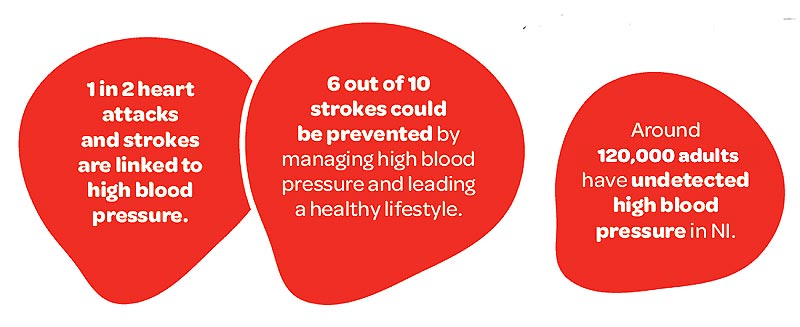
How Can a Toolkit Help Promote Heart Health?
The objective was to develop a comprehensive toolkit that can assist individuals who are susceptible to heart disease and its related co-morbidities, like high blood pressure and anxiety, for 100 days.
The well-being toolkit’s aim was to motivate people to cultivate healthy habits that can endure long after the 100-day program concludes.
Who is the Ideal User for the Toolkit?

The persona for the target audience is young, has low literacy, came from a low-income household, their temperament is anarchistic and they’re working in entry-level jobs.
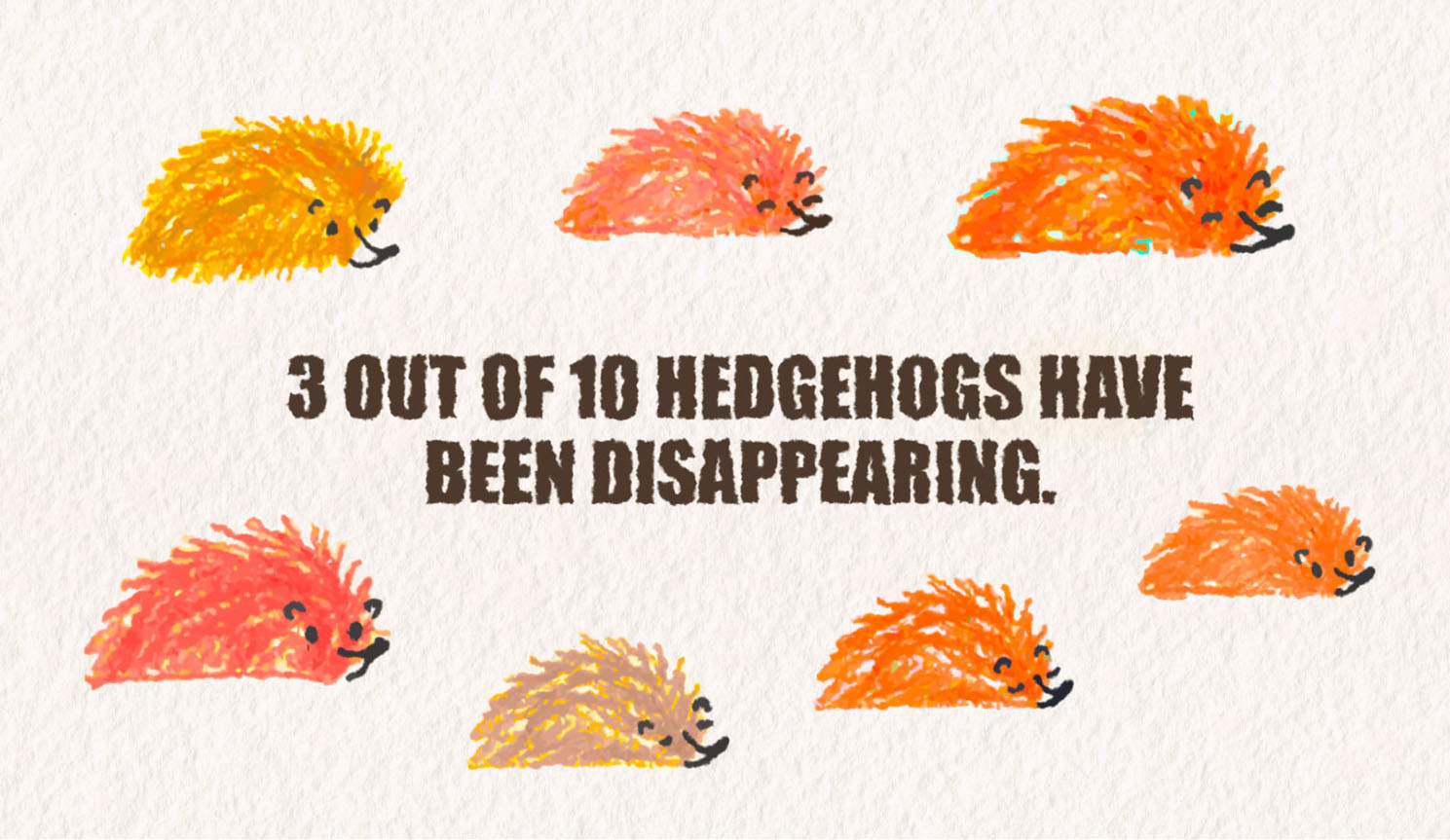
After gaining insights about globally endangered species, we chose the hedgehog to highlight the imminent threat of disappearing species. We hope that by highlighting the plight of a creature that is familiar to many people, we can encourage more individuals to take action and help protect endangered animals.
What Informed My Decisions?
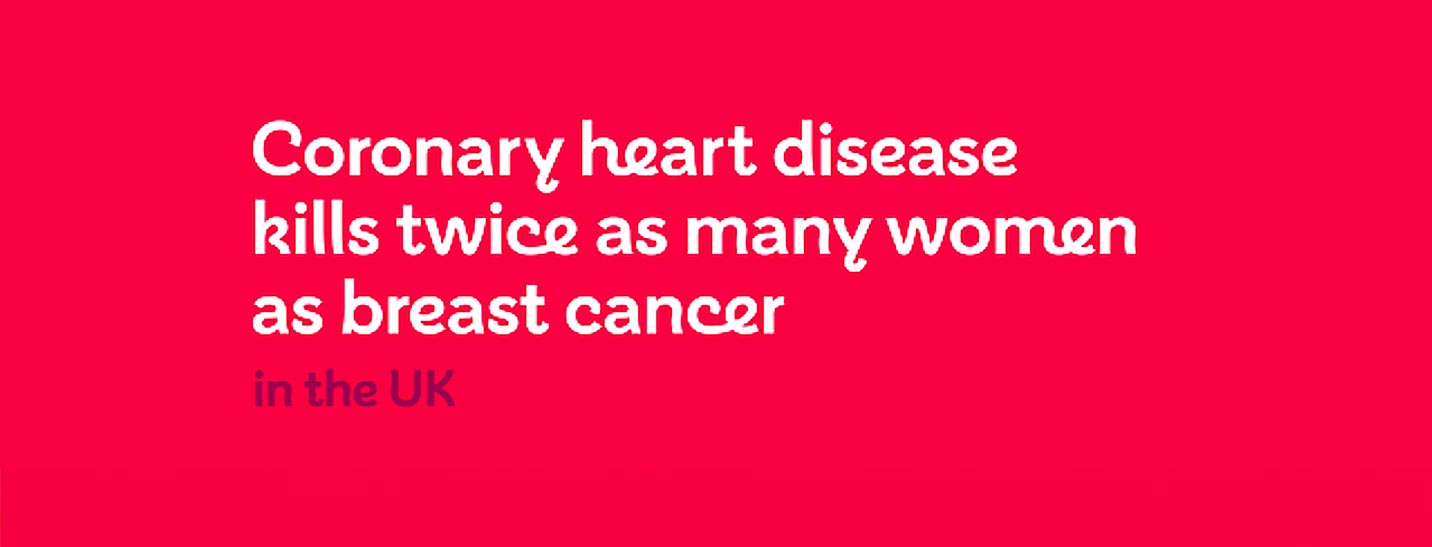
- Cardiovascular diseases (CVDs) are the leading cause of death globally, taking an estimated 17.9 million lives each year.
- 4 in 5 CVD deaths are due to heart attacks and strokes, and 1 in 3 occur prematurely in people under 70 years of age. (WHO)
- High blood pressure was responsible for approximately 75,000 deaths in the UK in 2015. (Blood Pressure UK)
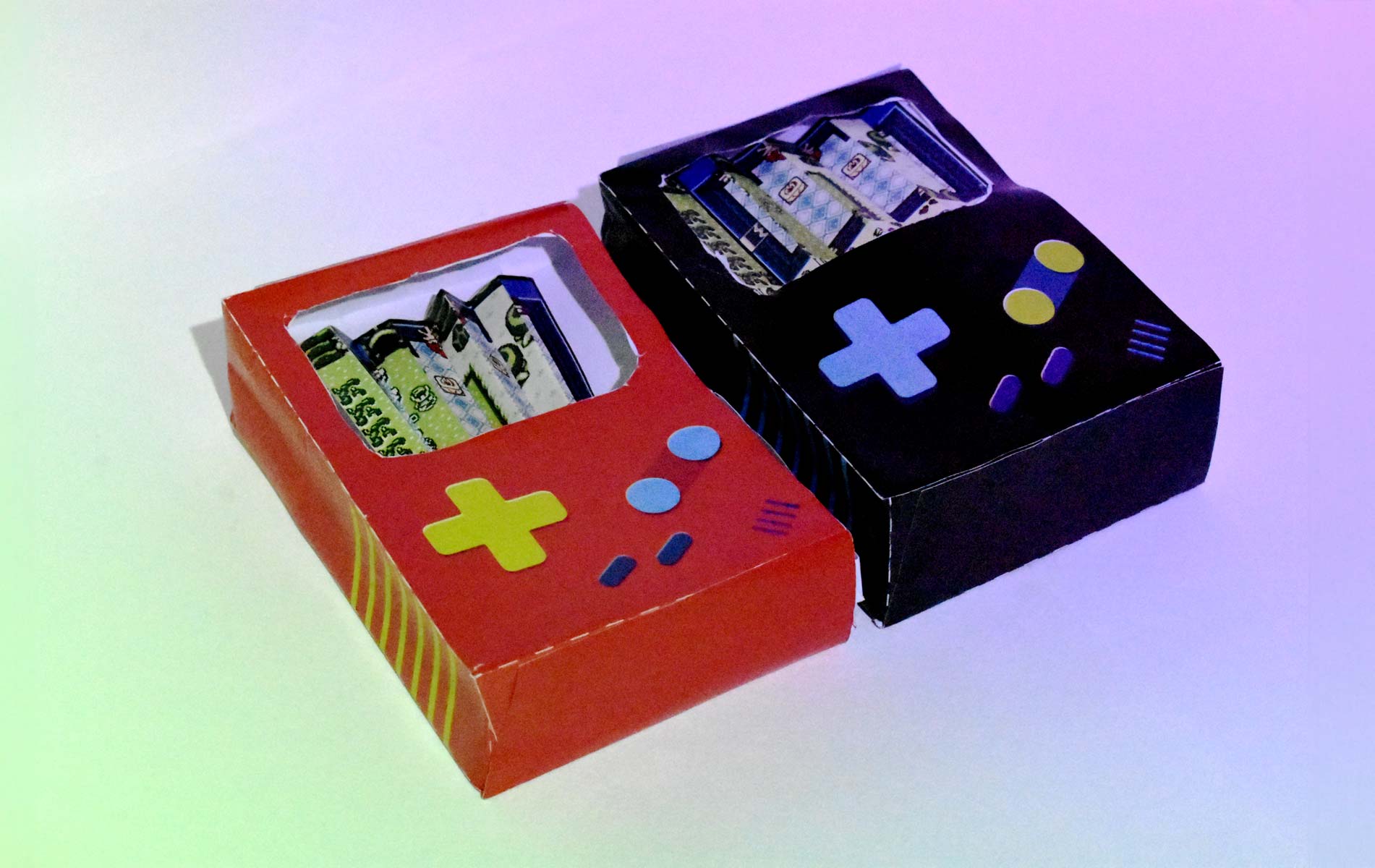
Prototype #1
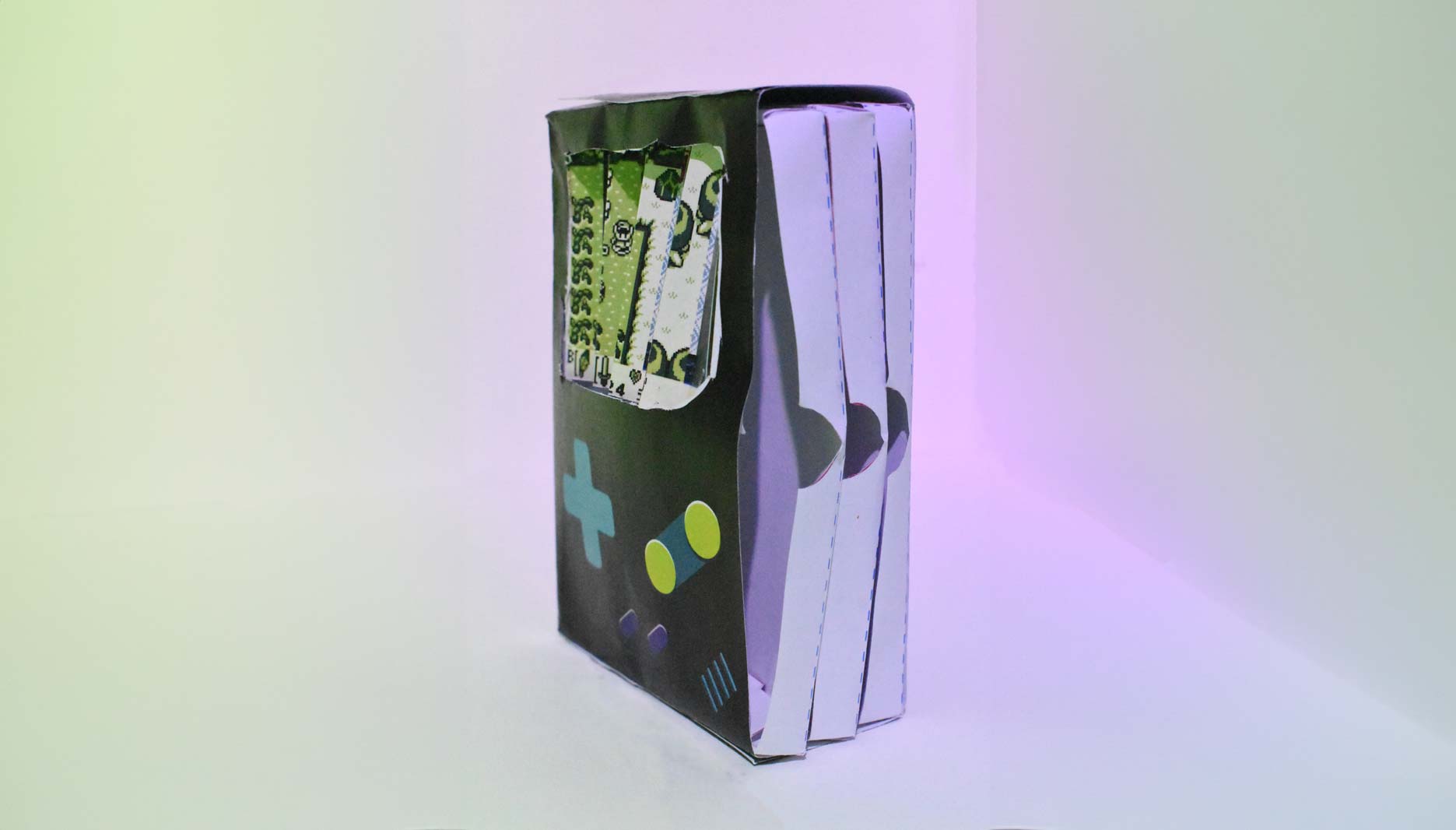
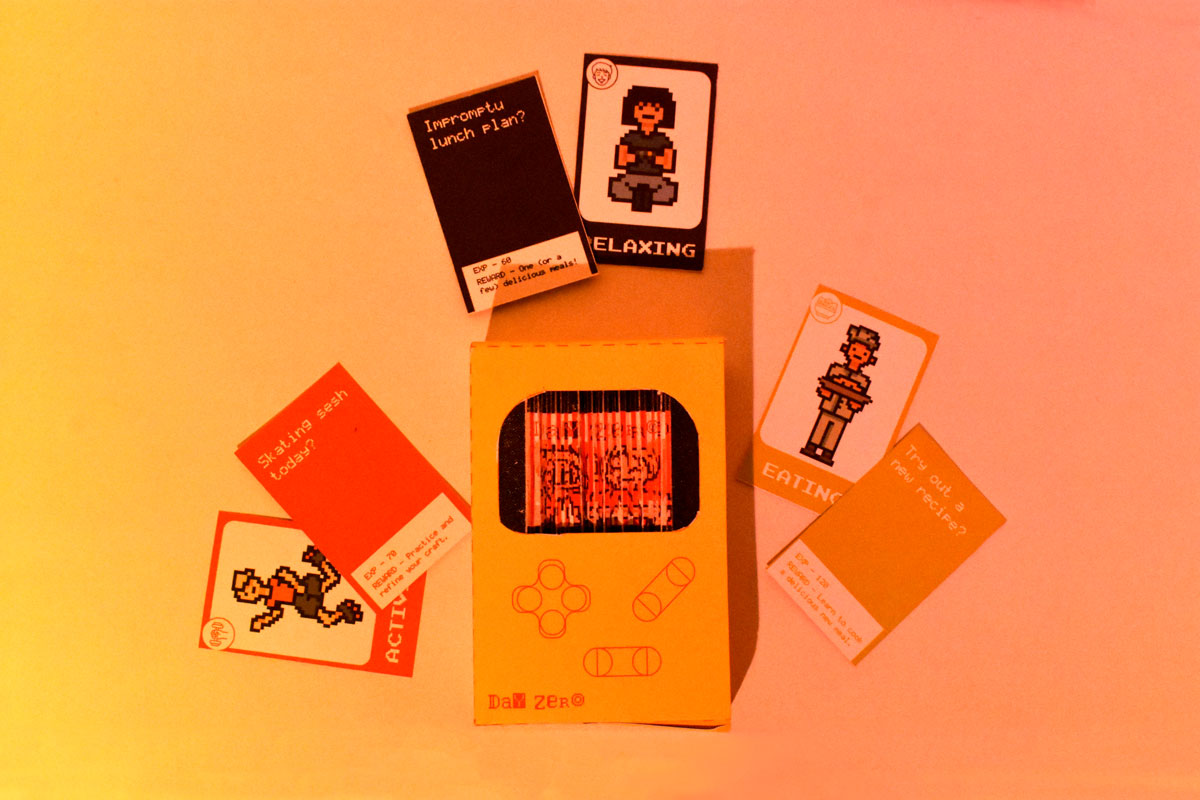
This prototype was inspired by the GameBoy developed by Nintendo and Habitica. It includes affirmations and tasks in the form of cartridges.
The lenticular screen resembles the actual screen of a console. It aims to gamify tasks by turning them into quests and rewarding the player for completing them. Additionally, the player has the freedom to customise and design their tasks.
Prototype #2
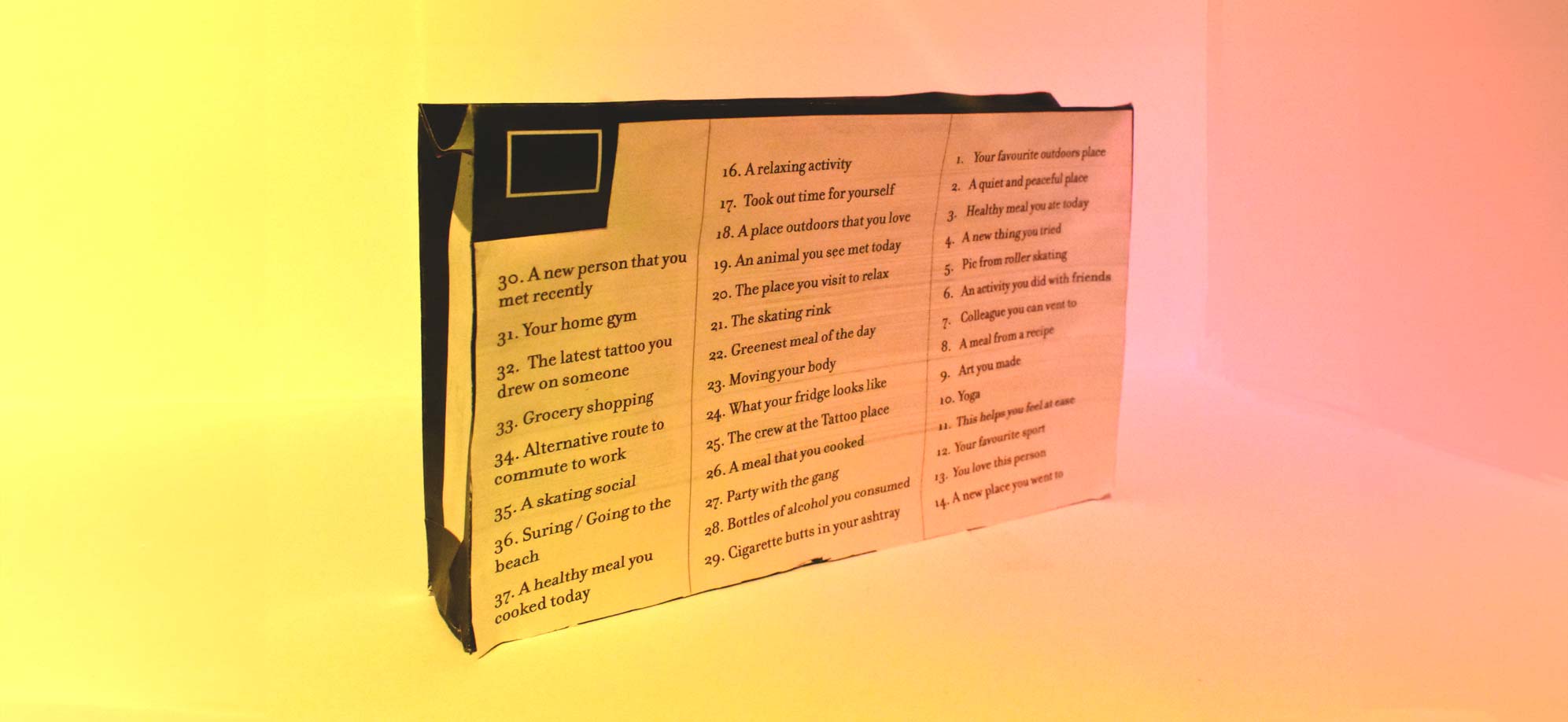
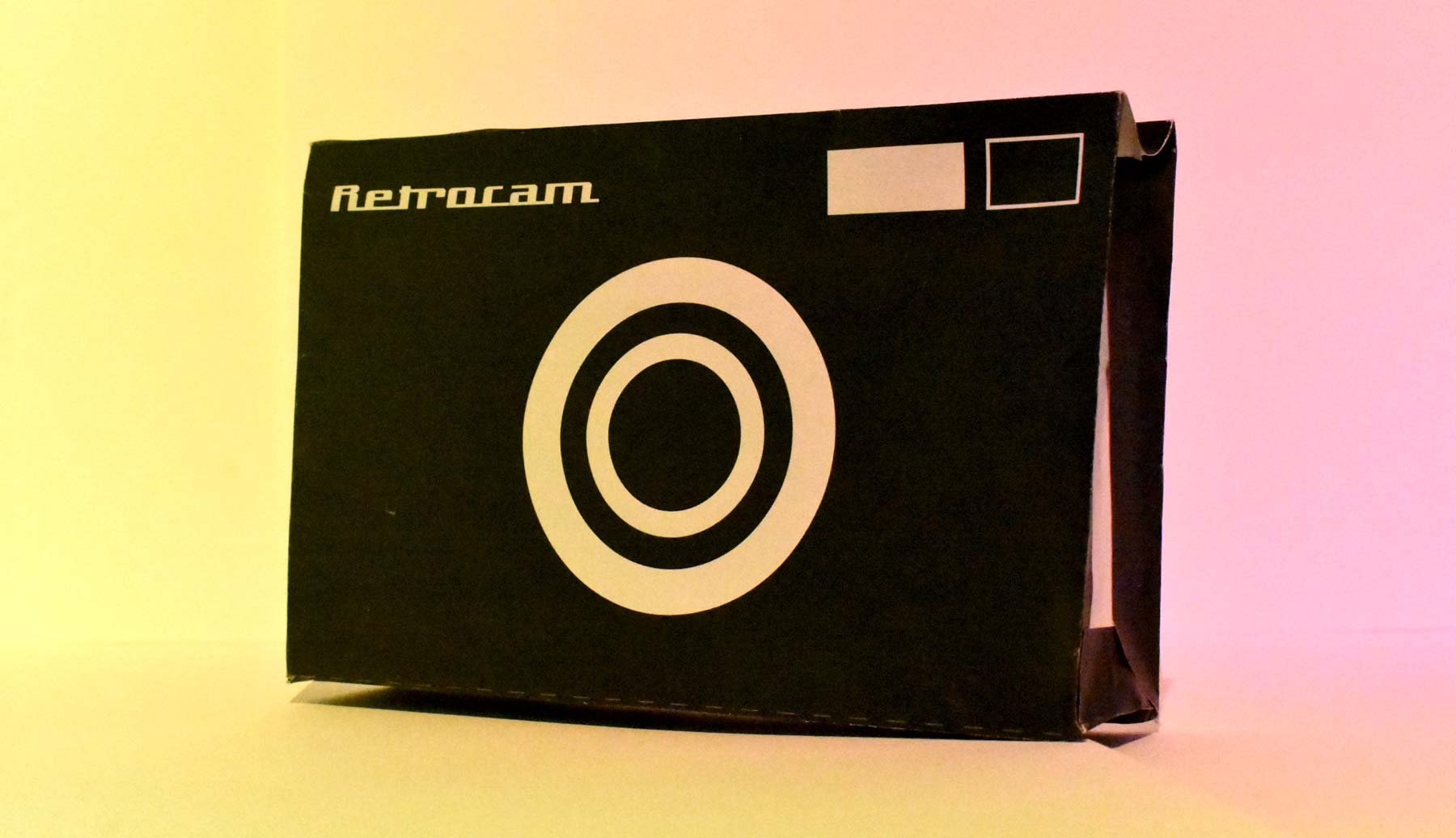
The instant camera comes with daily prompts for over 100 days. Additionally, there's a journal to document progress and jot down any thoughts, observations, or reminders for the day. This will encourage users to spend more time outdoors, interact with new people, and be more active.
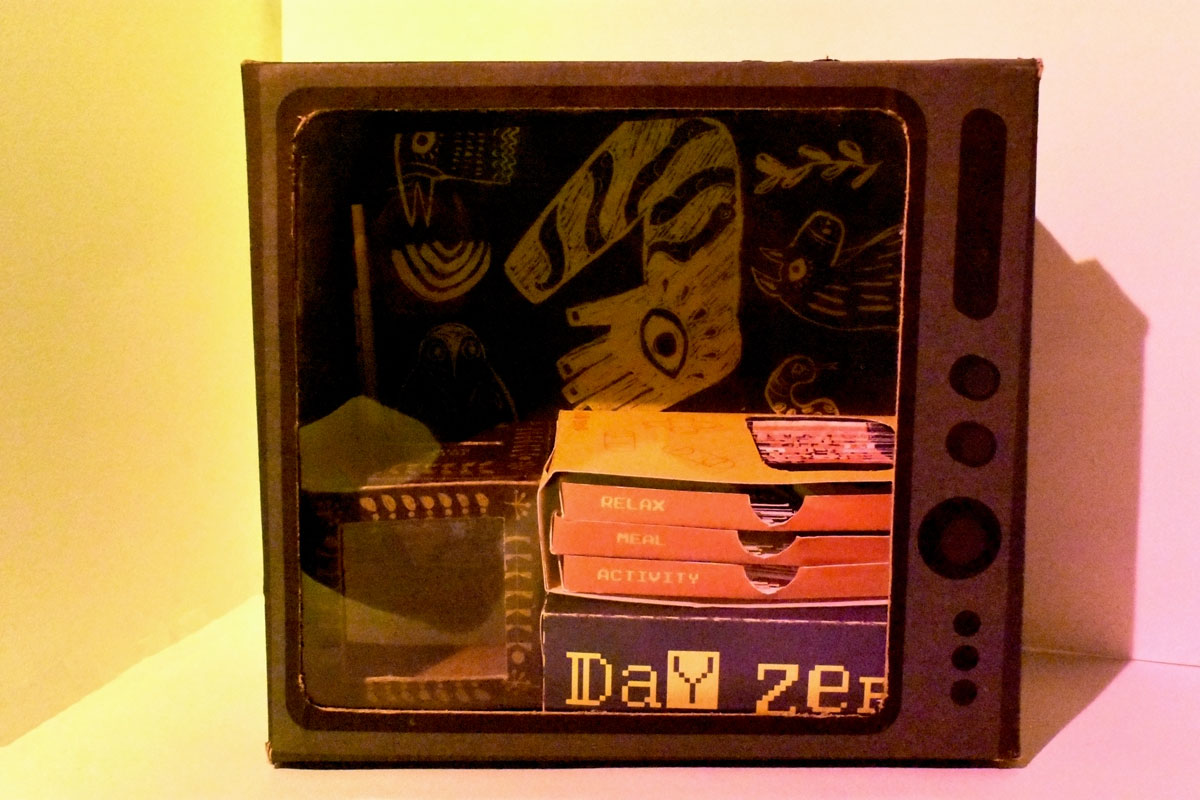
What is Day Zero?
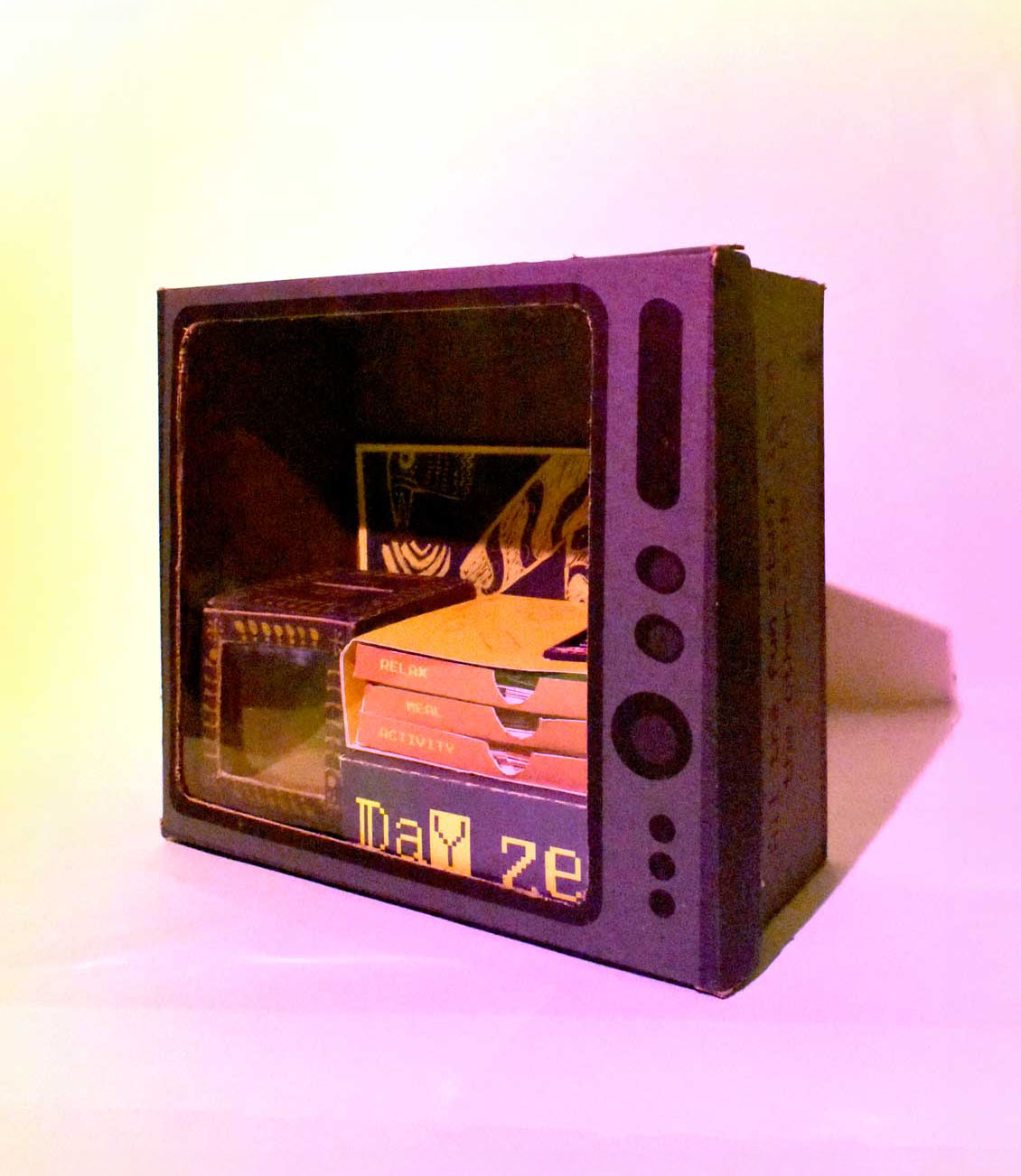
Day Zero is a comprehensive toolkit that integrates tried-and-true strategies from the 5 Steps to Mental Wellbeing, aiming to empower individuals to make positive lifestyle changes.
The toolkit's tone of voice is warm and approachable, avoiding intimidating language that may discourage the user from progressing. All communication within the toolkit is crafted to mimic a friendly conversation. This toolkit is built to provide lasting support and guidance.
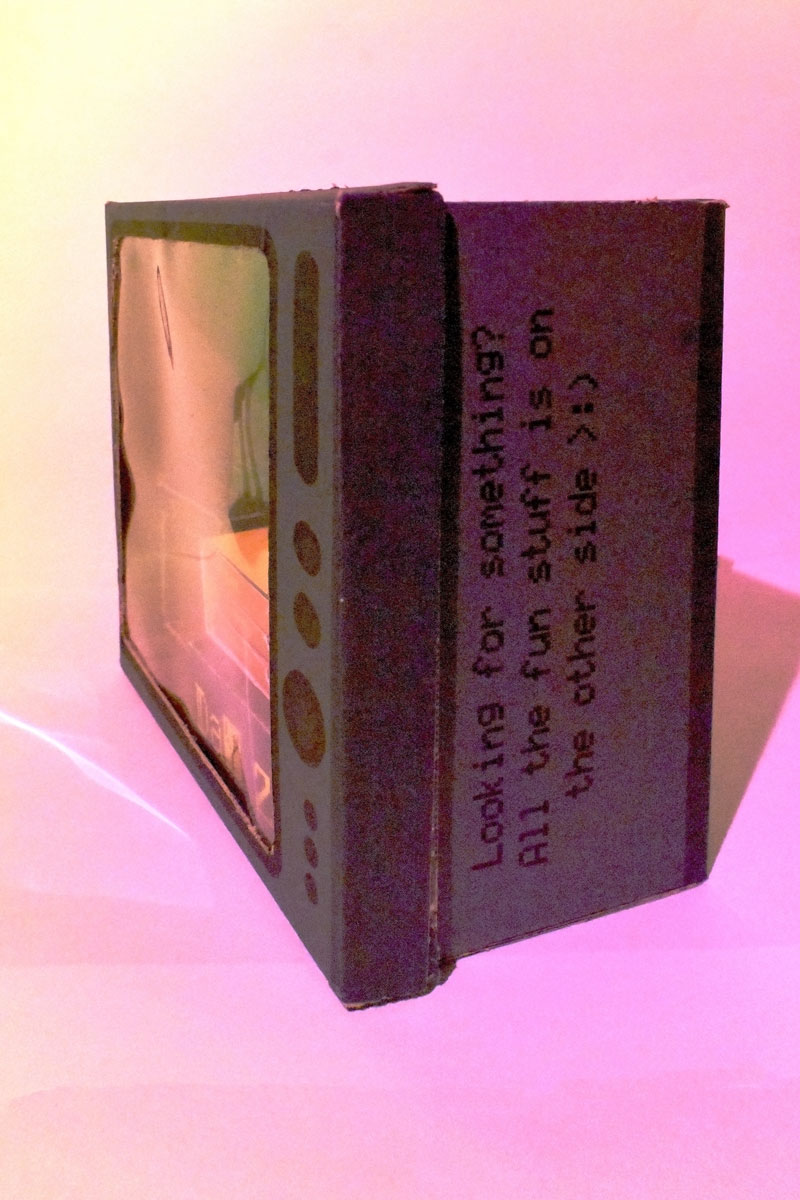
What’s Inside the Box?
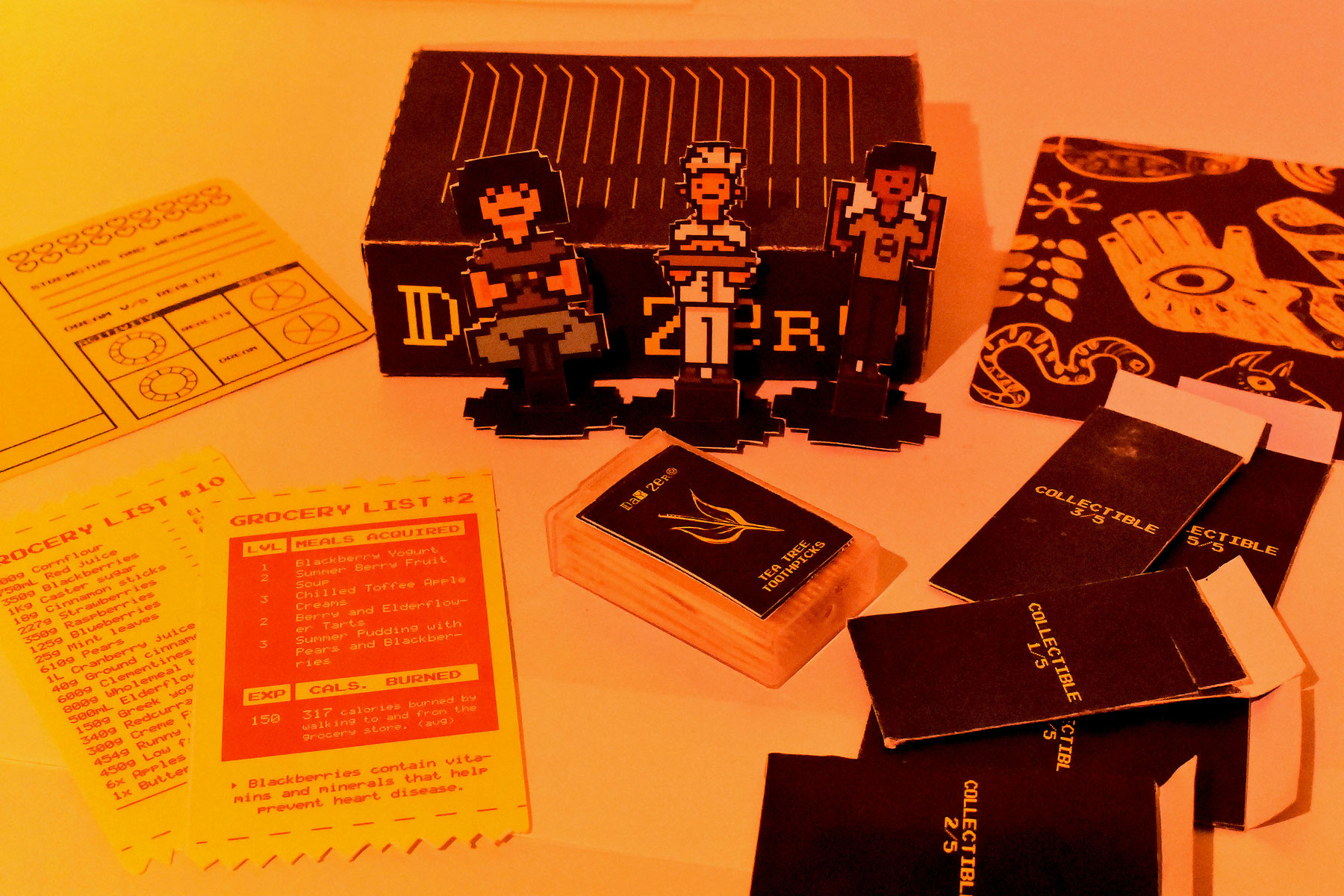
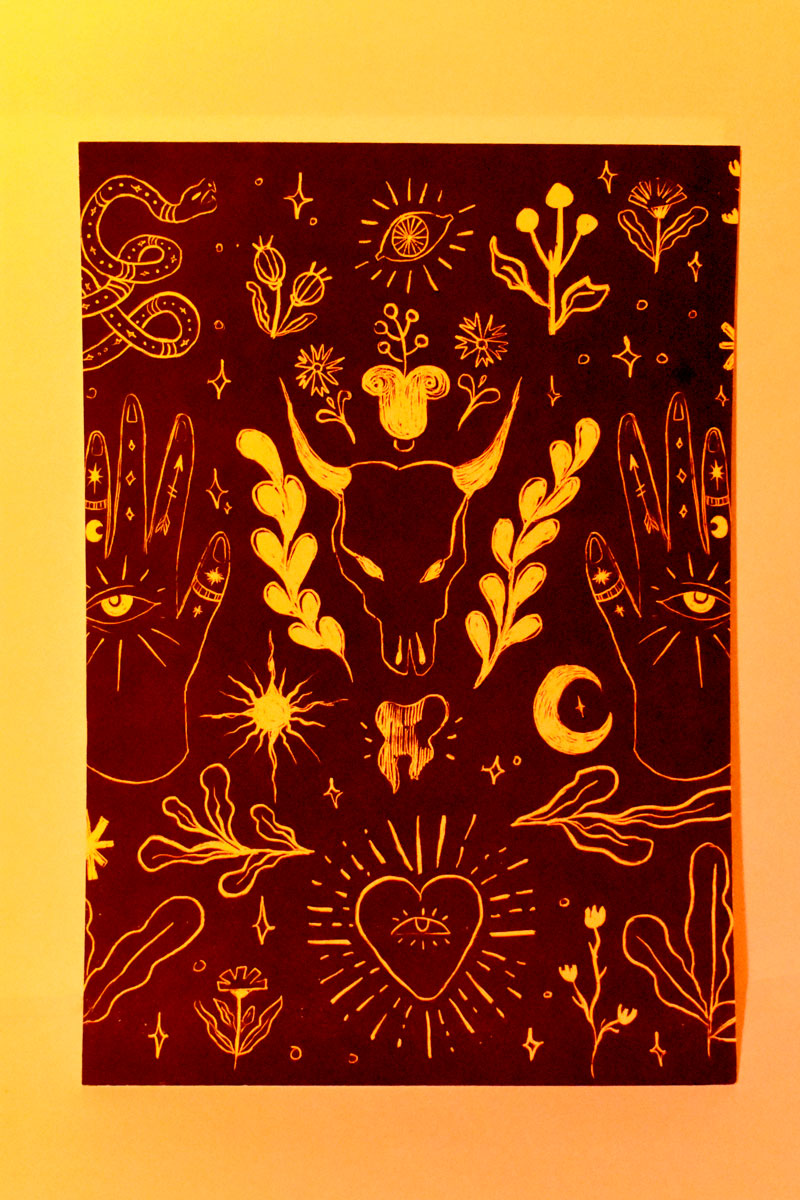
Included in the kit is a scratch-off poster that reveals the full design once every task is completed, along with two recipe books and grocery lists that make cooking easy for those at risk of cardiovascular diseases.
The savings box offers both positive and negative reinforcement. It collects money for achieving a goal (such as opening a café), while taking away a fixed amount of money for undesirable actions.
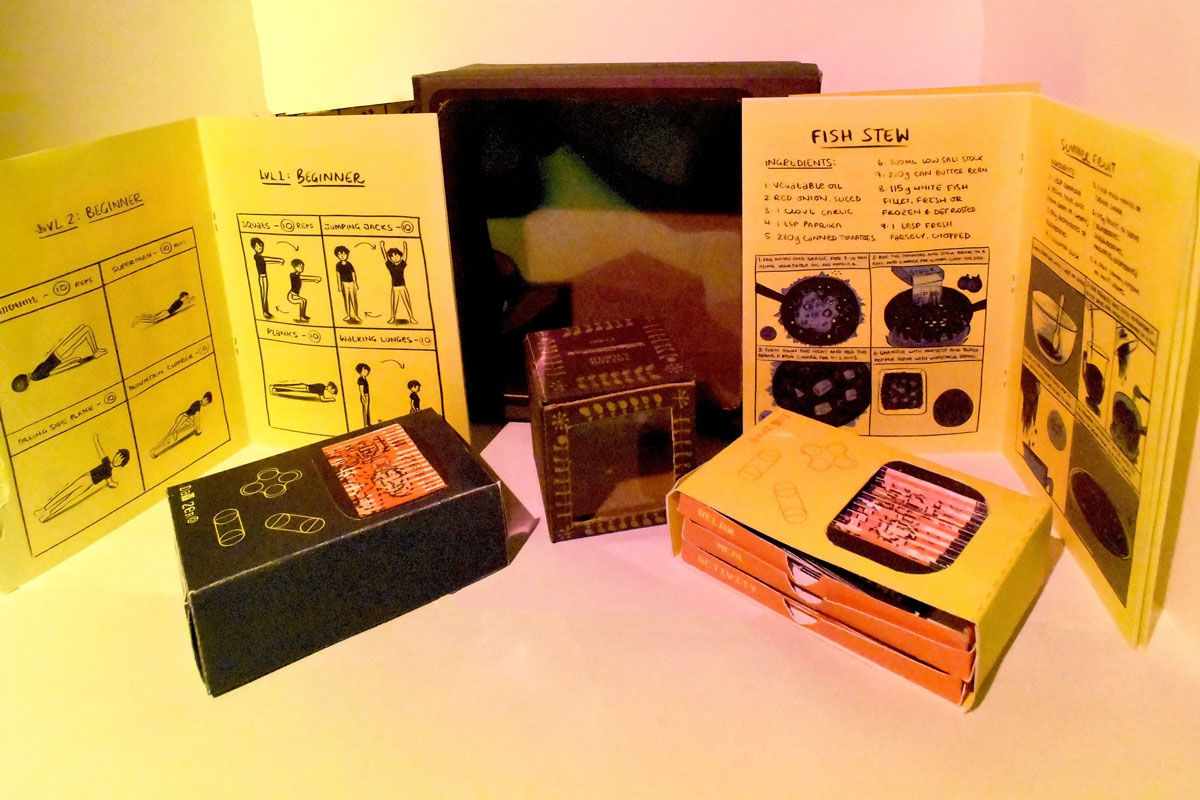
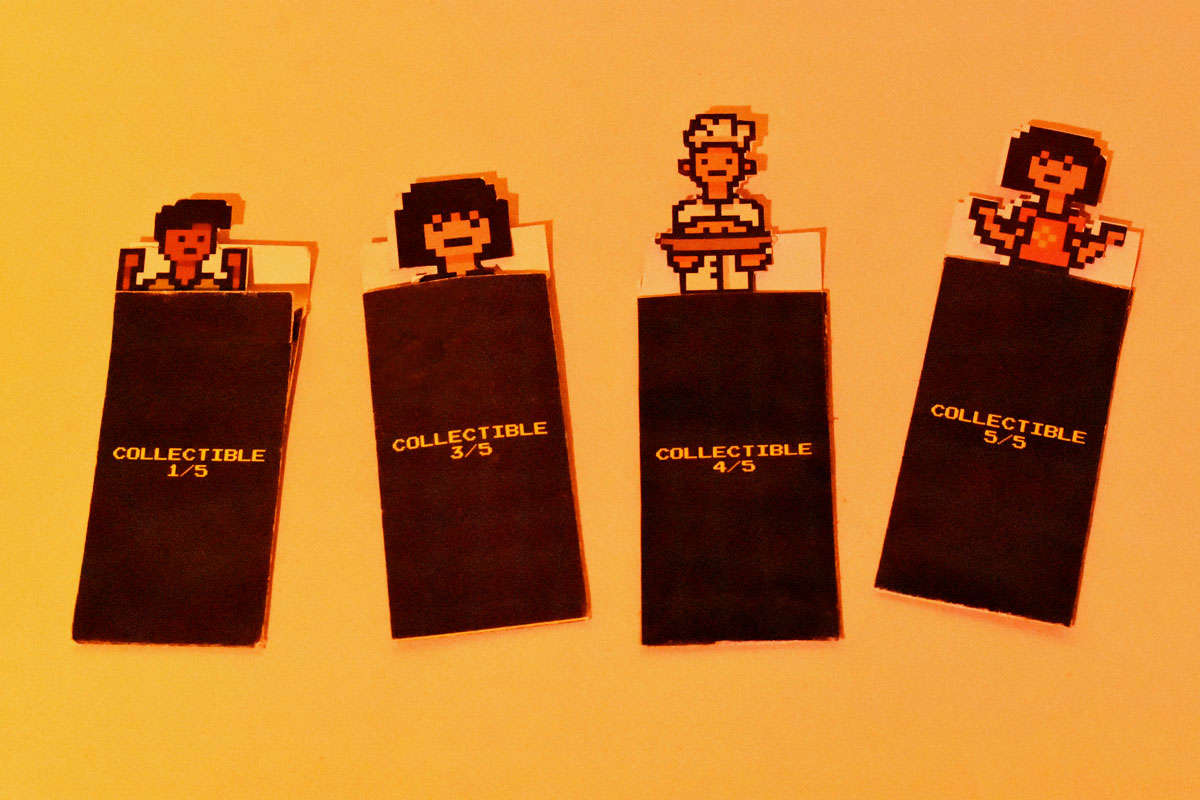
Collectibles
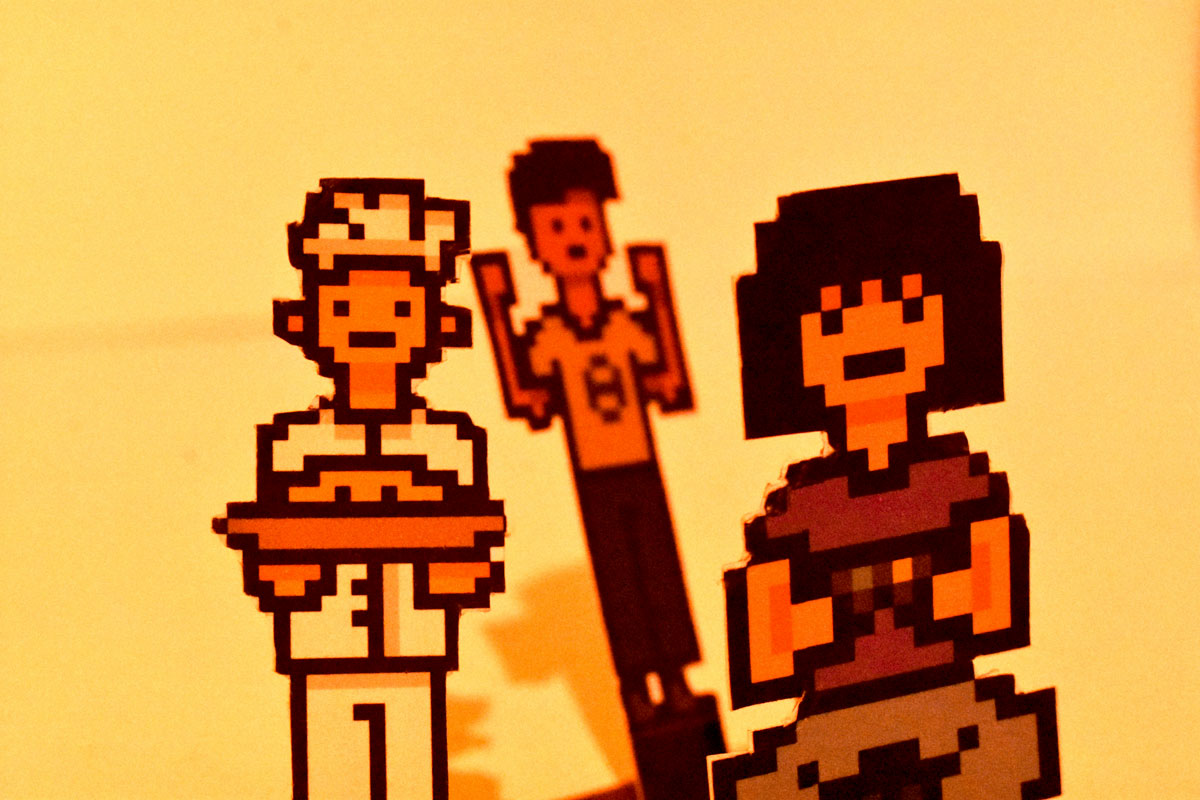
People can unlock collectibles by completing quests, much like in video games. These characters can be displayed as figurines of achievement.
The rewards at the end of each quest serve as a motivation tool. The tasks are strategically designed to gradually increase in difficulty each day, with designated break days and rewards for the completion of each milestone.
More Projects You Might Like: